


-

Add: HeBei ShengShi HongBang Cellulose Technology CO.,LTD.
-

Email
13180486930@163.com -

CONTACT US
+86 13180486930


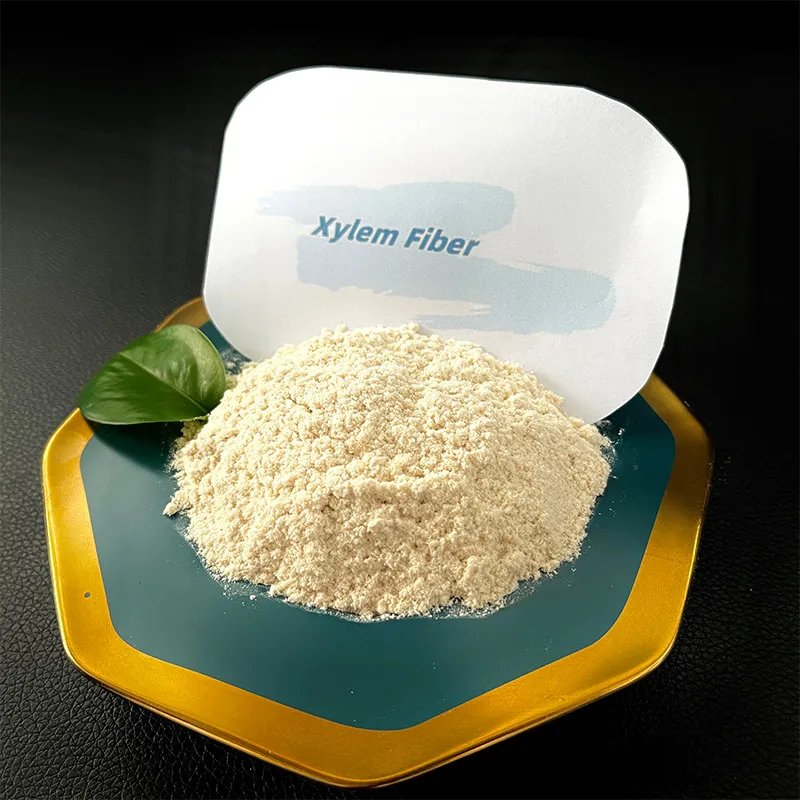
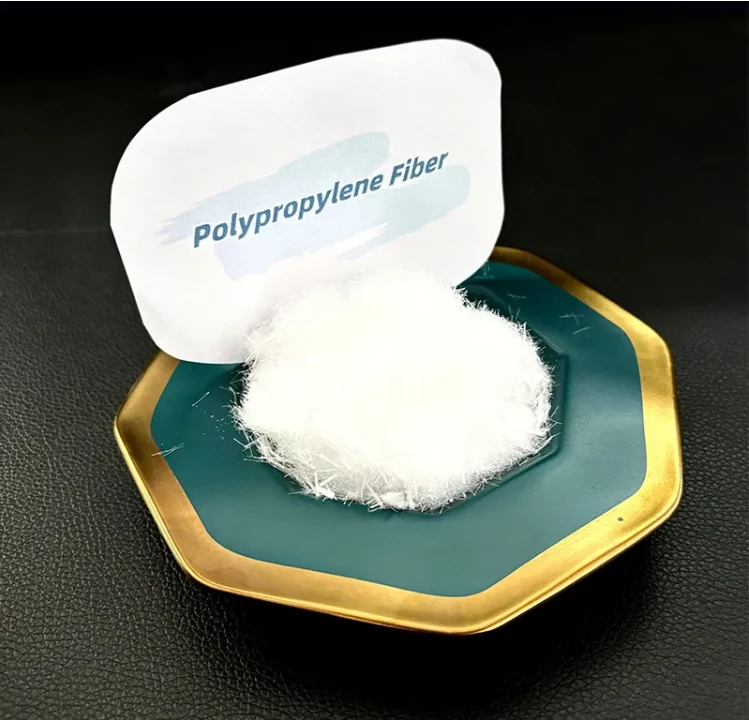
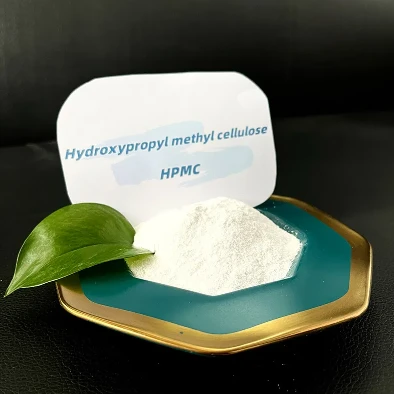


Fiberglass for Concrete Mix Enhancing Strength and Durability Concrete is one of the most widely used construction materials in the world, known for its strength and versatility. However, it does have its limitations, such as brittleness, susceptibility to cracking, and overall weight. To tackle these challenges, the incorporation of fiberglass into concrete mixes has emerged as a game-changing solution that boosts performance while maintaining the same traditional characteristics of concrete. What is Fiberglass? Fiberglass, or glass fiber, is a reinforced plastic material composed of fine fibers of glass. It is known for its high strength-to-weight ratio, excellent resistance to corrosion, and impressive insulation properties. When added to concrete mixes, fiberglass can significantly enhance the material's overall performance, making it a popular choice in various construction applications. Benefits of Fiberglass in Concrete Mixes 1. Improved Tensile Strength One of the most significant advantages of incorporating fiberglass into concrete is the enhancement of tensile strength. Traditional concrete tends to be strong in compression but weak in tension, which can lead to cracks and structural failures. By adding fiberglass, the tensile strength increases, making the concrete more resistant to stress and load-bearing requirements. 2. Reduced Shrinkage and Cracking Fiberglass acts as a reinforcement that helps to minimize shrinkage during the curing process. This reduction in shrinkage translates to a decreased risk of cracking, which is often a common issue in standard concrete mixes. By effectively controlling cracking, fiberglass-reinforced concrete extends the lifespan of structures and reduces the need for repairs. 3. Lightweight Composition The lightweight nature of fiberglass compared to traditional reinforcement materials like steel means that concrete mixes can maintain lower overall weight. This can reduce the structural load on foundations while still providing the necessary strength and durability. Such lightweight composition is particularly advantageous in projects where load restrictions are critical. fiberglass for concrete mix 4. Enhanced Durability Fiberglass is naturally resistant to corrosion and chemical attack, which can often plague concrete exposed to harsh environmental conditions. By incorporating fiberglass, the resulting concrete becomes more robust against moisture penetration, temperature fluctuations, and aggressive chemicals, making it ideal for use in areas such as coastal regions, industrial sites, or places with severe weather. 5. Cost-Effectiveness While there may be initial costs associated with adding fiberglass to concrete mixes, the long-term savings are significant. The durability and reduced maintenance associated with fiberglass-reinforced concrete often lead to lower repair and replacement costs over the lifecycle of a structure. Additionally, the efficiency of construction and the potential reduction in material usage can further offset expenses. Applications of Fiberglass-Reinforced Concrete The application of fiberglass in concrete mixes spans across various sectors including residential, commercial, and industrial construction. From precast concrete products to architectural elements, such as facades and sculptures, fiberglass enhances the performance and aesthetic appeal of concrete structures. One notable application is in the construction of pavements and flooring systems. The addition of fiberglass not only improves the structural integrity but also provides slip resistance, ensuring safety in both industrial and commercial environments. Moreover, the use of fiberglass in thin overlays and shotcrete processes shows significant promise, allowing for quick application with high durability. Conclusion In conclusion, the integration of fiberglass into concrete mixes presents a wealth of benefits that significantly enhance the material's performance. Improved tensile strength, reduced shrinkage, enhanced durability, and lightweight composition make fiberglass-reinforced concrete an excellent choice for modern construction projects. As the construction industry continues to evolve, adopting innovative materials like fiberglass will be crucial in meeting the demands for stronger, more resilient, and cost-effective building solutions. By embracing these advancements, engineers and architects can create structures that not only stand the test of time but also contribute to more sustainable development practices.
- 40000tons

Production
- 20+years

Experience
- 5000+㎡

Acreage

-

In the ever-evolving landscape of manufacturing, rubber powder has emerged as a vital component, especially in sectors aiming for sustainability and cost-effectiveness. Derived primarily from recycled tires, rubber powder finds applications in numerous industries, such as automotive, construction, and even footwear. The sustainability angle makes it appealing to eco-conscious manufacturers, while the cost benefits extend its reach to businesses of all sizes. The journey from a discarded tire to finely ground rubber powder is both fascinating and enlightening. The manufacturing process of rubber powder is an exemplar of how innovation and sustainability can coexist. The process typically involves several critical stages, each contributing uniquely to the final product's quality and applicability. The first crucial step in manufacturing rubber powder is the collection and inspection of waste tires. Tires are often sourced from landfills or directly from tire retailers. The inspection process ensures that only suitable tires—free from significant contaminants—are processed. The collected tires then undergo shearing, where they are cut into smaller, manageable chunks. Once sheared, the rubber chunks enter the initial grinding phase. This step involves powerful grinders that break down the rubber into smaller granules. It's essential that the grinding process is done under controlled conditions to maintain the rubber's intrinsic properties. Cryogenic grinding often plays a role here, where the rubber is frozen using liquid nitrogen and then shattered. This method not only preserves the rubber's quality but also ensures uniform granule size, which is crucial for quality control and subsequent applications. Following the grinding, magnetic separation is employed to remove metallic contaminants such as steel wire, which is a standard component in tire manufacturing. Advanced separators employ both magnetic and eddy-current technologies to ensure a high degree of purity in the resultant rubber granules. The next phase involves refining these granules into powder form. Milling machines are used to pulverize the granules into fine rubber powder. The fineness of this powder can be adjusted based on the specific requirements of its intended use—ranging from coarse grades for general applications to ultra-fine grades for more sophisticated industrial purposes. This adaptability is key to rubber powder's versatility in various manufacturing processes . rubber powder wikipedia manufacturing process A critical aspect of rubber powder production is quality assurance. Numerous tests are conducted to ensure the powder meets industry standards for particle size, tensile strength, and purity. Consistent quality is imperative, as the performance of the rubber powder in its final application hinges on these metrics. Experts in the field advocate for continuous innovation in this process. Advanced technologies like automated sorting and AI-driven quality control systems are being integrated to enhance efficiency and precision. These innovations not only streamline operations but also bolster the reliability and consistency of the rubber powder produced. Sustainability is a cornerstone of the rubber powder manufacturing process. By recycling tires, manufacturers significantly reduce the environmental impact associated with rubber production. This process also aligns with the circular economy principles, where waste is minimized and resources are reutilized effectively. The market for rubber powder is expansive. In construction, it is used to produce modified asphalt, offering improved durability and resistance to the elements. In the automotive industry, it provides enhanced properties in tire and non-tire applications. Moreover, its use in consumer goods such as rubber-soled footwear and playground surfaces underscores its broad applicability. For manufacturers looking to integrate rubber powder into their products, understanding the nuanced process of its creation is essential. By leveraging this knowledge, companies can optimize product performance, reinforce their commitment to sustainability, and achieve significant cost savings. In conclusion, the production of rubber powder is a testament to the innovative spirit within the manufacturing sector, combining technical expertise with sustainable practices. As industries continue to seek eco-friendly and efficient materials, rubber powder’s role is poised to expand, offering myriad possibilities for future development and application.
-
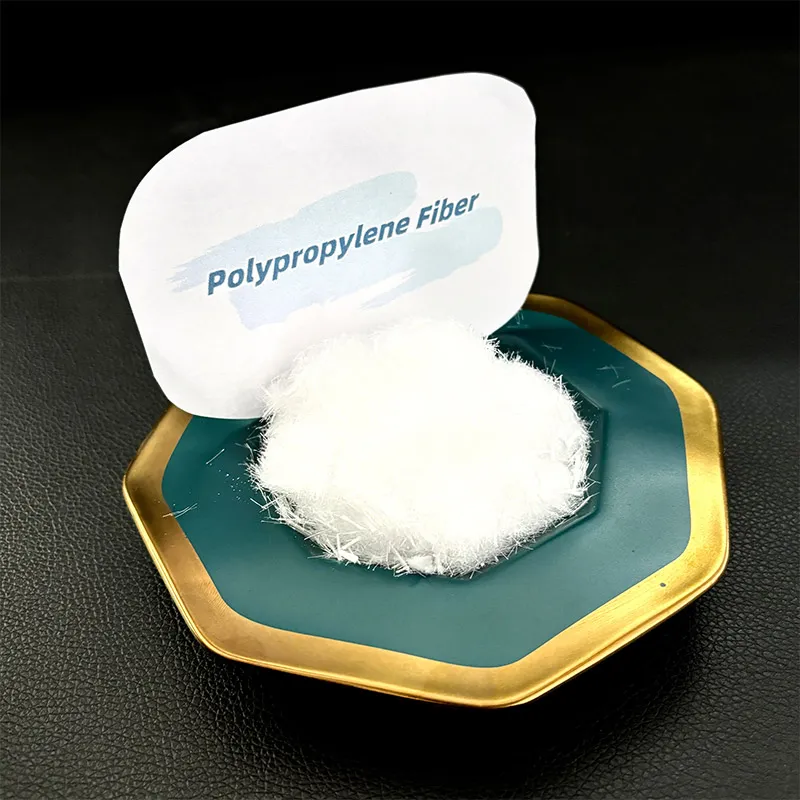
Найлон жиптери — бул заманбап текстилдик өнөр жайында кеңири колдонулган синтетикалык жиптердин бири. Алардын уникалдуу касиеттери жана колдонулушу аларды эларалык базарда абдан популярдуу кылды. Найлон жиптери 1935-жылы америка химиги Уоллес Карозер тарабынан чыгарылган. Бул жиптер негизинен полиамид же полимерден жасалат, аларга созулуш жана күчтүүлүк берет. Найлон жиптеринин эң негизги артыкчылыктарынын бири — алардын жогорку бекемдиги. Бул жиптер даамы жакшы, ошондой эле суу киргизбейт. Алар көптөгөн температураларда жана шарттарда өзүнүн формасын сактап кала алат. Мисалы, найлон жиптеринен жасалган кийимдер, спорттук жабдыктар, үй буюмдары жана башка көптөгөн буюмдар бар. Найлондун жөнөкөй куланган формасы бут кийимдерден баштап, кийимдерге, сумкаларга жана өнөр жайда колдонулган сырьёго чейин бар. . Найлон жиптери экологиялык көйгөйлөрдү жаратышы мүмкүн, бирок алар боюнча изилдөөлөр жүрүп жатат. Көпчүлүк компаниялар найлон жиптерин кайра иштетүүчү технологияларды өнүктүрүүгө аракет кылып жатышат. Рециклдөө процессин колдонот. Ошентип, жаңы сырьёду алуу үчүн жиптерди кайра иштетүү аркылуу экологияны коргоо, ресурстарды үнөмдөө жана жаңы материалдарды иштеп чыгуу мүмкүнчүлүктөрү бар. nylon fibres are Найлон жиптерин кийим өндүрүүдө да кеңири колдонулат. Мисалы, спорттук кийимдер, жүн кийимдери жана суу өткөрбөй турган капталдар найлон жиптеринен жасалган. Алардын жогорку суу өткөрбөй турган касиеттеринин аркасында жамгыр же башка суу түшкөн шарттарда сизди курчап ала турган кийимдерди камсыз кылууга мүмкүндүк берет. Мындан тышкары, найлон жиптери жеңил жана ыңгайлуу. Бул алардын компаниялар тарабынан кеңири колдонулушунун дагы бир себеби. Буга кошумча, найлон жиптери моданын дүйнөсүндө да маанилүү роль ойнойт. Дизайнерлер жана стилисттер найлон жиптерин кийимдерде жана аксессуарларда колдонуу аркылуу уникалдуу жана заманбап көрүнүштөрдү жаратууга мүмкүнчүлүк алышат. Найлон жиптери боёкторго, текстураларга жана стильдерге ылайыкташып, ар кандай тренддерди чагылдырууга мүмкүнчүлүк берет. Кыскача айтканда, найлон жиптери өзгөчө физикалык касиеттери жана кеңири колдонулушу менен текстилдик индустрияда маанилүү системаны түзөт. Алардын кайра иштетүү жана экологиялык жактан таза өндүрүш процессине жасалган аракеттер жаңы изилдөөлөр менен бирге аларды келечекте дагы кеңири колдонууга мүмкүнчүлүк берет. Негизинен, найлон жиптери азыркы замандан бөлүк катары, бизди модадан спортко, үй шарттарына чейин коштоп келе жатат.
advantages
-

200000 Viscosities
Excellent product
We can produce pure products up to 200,000 viscosities
-

40000 tons
High yield
We don’t stop production all year round, and the annual output can reach 40,000 tons
-

24 hours
Quality service
We provide 24-hours online reception service, welcome to consult at any time
———— Inquiry Form
Schedule A services

-
 hydroxypropyl_methylcellulose_2
Oct . 25, 2025
HPMC E5 LV, connu sous le nom de hydroxypropylméthylcellulose, est un polymère essentiel dans l'indu -
 hydroxypropyl_starch_food
Oct . 25, 2025
The HPMC K100M viscosity grade is revolutionizing the landscape of the pharmaceutical and constructi -
 polyaniline_powder
Oct . 25, 2025
The Significance of Cellulose and HPMC in Modern Applications Cellulose, the most abundant organic p


